This course is designed for people who would like to seek employment in the seafood industry, especially in the quality assurance division. The major focus of the course is to understand the role of microbes in the spoilage of a highly perishable food item such as seafood and to take preventive measures to preserve the wholesomeness of this valuable food item. The intrinsic and extrinsic factors that contribute to seafood spoilage as well as the normal spoilage flora and the process of spoilage are covered under this course. Standard operational procedures (SOPs) and standard sanitation operational procedures (SSOP's) that are followed in the seafood industry are given good coverage. Similarly, the various quality control systems followed in the in the seafood industry, especially the Hazard Analysis Critical control Point (HACCP) is given special attention. Role of regulatory bodies such as USFDA, EIA, EIC etc. on seafood quality control as well as quality standards for various export markets are also covered.
On successful completion of the course the learner will be able to
Applicants should have a basic understanding of biology or food science. A diploma or degree in microbiology, biotechnology, food technology, or related disciplines is preferred but not mandatory.
Learners should possess basic computer literacy (for accessing online resources and assignments) and proficiency in English to follow lectures, read technical materials, and complete assessments effectively.
Demonstrate understanding of the microbial causes of seafood spoilage.
Apply knowledge of SOPs, SSOPs, and HACCP in real-world seafood processing.
Appreciate the importance of regulatory compliance and international quality standards in seafood export.
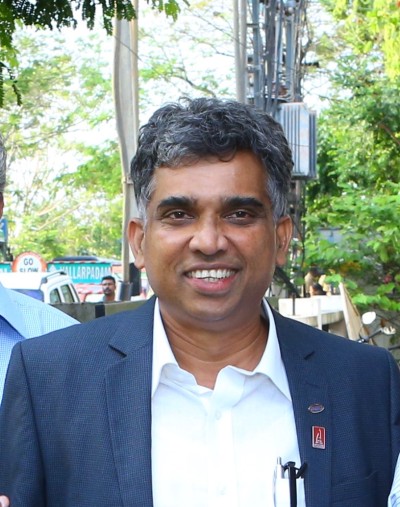
Dept. of Marine Biology. Microbiology and Biochemistry. CUSAT
Dr. Mohamed Hatha took his Masters Degree in Marine Biology from CUSAT and Ph.D. in Environmental Microbiology from Bharathiar University,. Started off his career in Industry as Head of Quality Assurance Division of a leading seafood processor and exporter where he developed HACCP based production in seafood industry for the first time in India. He was instrumental in getting the coveted USFDA A listing for the company. In 1996 Dr. Hatha shifted to teaching and research and taught in various universities in India and abroad since then. Being a passionate academic, he is awarded with Fulbright Scholarship in 2012 and spent a short stint as Fulbright Visiting Scholar at Michigan State university, USA and gave series of lectures at different universities and research institutions in USA, including National Oceanic and Atmospheric Administration(NOAA,), Gulf coast laboratory in Miami, Florida. Dr. Hatha has brought in substantial research grants to the university through extramural fundin